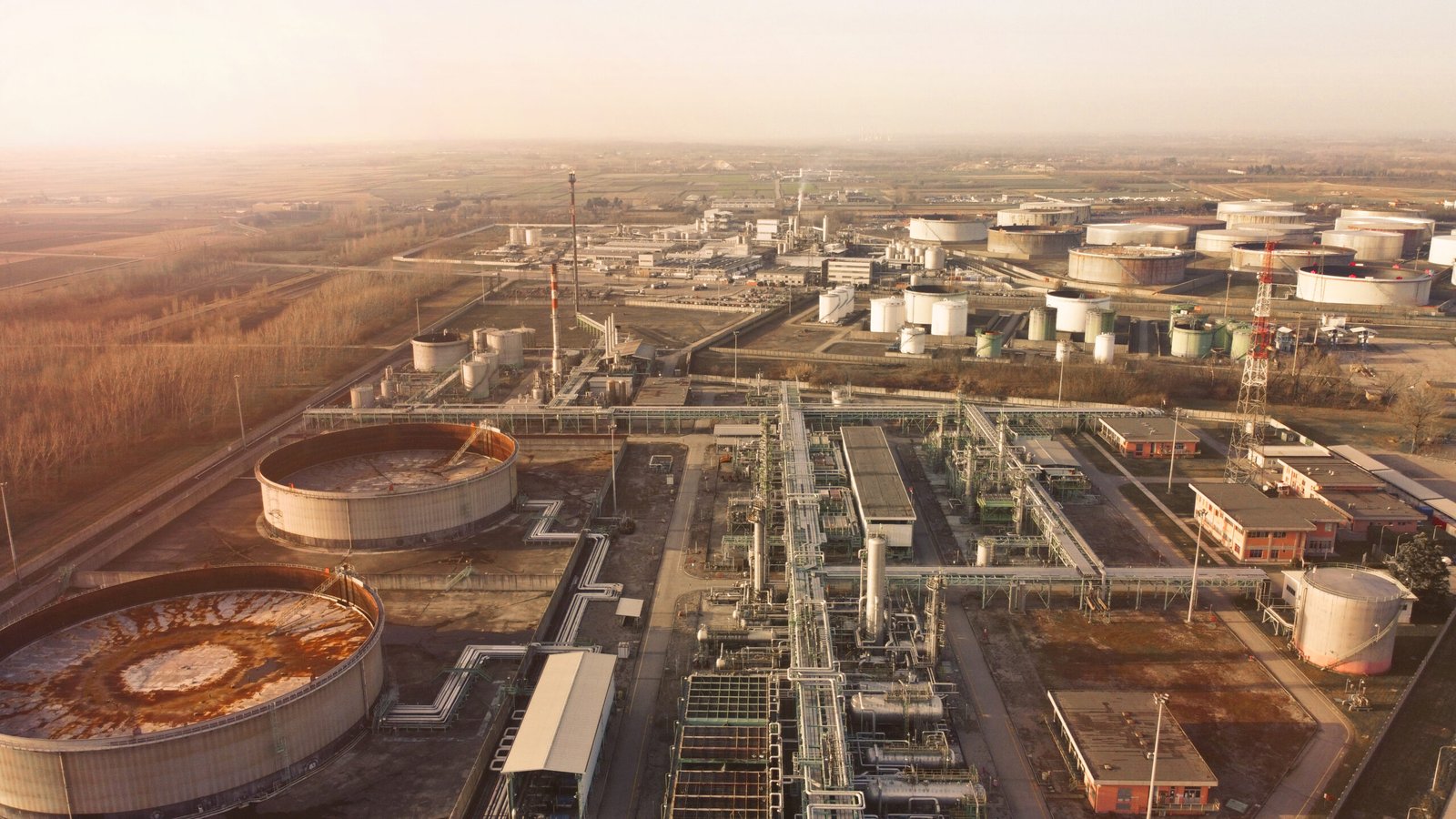
Waste oil Corporate tank monitoring is enhanced with radar monitoring.
Large industrial and commercial business demands an accurate check on the liquid storage in order to be safe, effective, and compliant. By employing both a corporate tank monitor and radar surveillance of the waste oil, the businesses are able to view the current level of the tank in real time, manage overfills and also maximize the collection and storage of the waste oil. The technologies find their use especially in those companies that operate multiple plants or large warehouses storing waste oil.
Accurate Tank Monitor offer the ability to view a location of the various tank sites centrally. The aggregation of data allows the operators to follow the inventory levels, usage trends, and create actionable reports using one platform by combining the information about multiple tanks. Such a centralized model guarantees the uniform control, minimizes the possibility of mistakes, and allows making the right decisions about timely maintenance or gathering.
Waste oil radar monitoring is particularly practical due to the fact that it event venue montreal provides non-contact measurements of extremely high accuracy. In contrast to the conventional float systems radar sensors do not have an effect on foam, temperature, as well as residue that is usually present in waste oil tanks. This will provide accurate readings which are essential in avoiding overflows, spills and environmental risk.
Discover premium luxury t shirts crafted from high-quality fabrics for comfort and style. Our cashmere shirts offer soft texture, elegant design, and timeless fashion for everyday luxury.
Sporty and Rich meets Veronica Beard in modern luxury fashion. Dolcezza
Bigger business organizations achieve greater effectiveness in operations when the corporate tank monitors are integrated with radar monitoring. Real time data enables managers to plan pick up of waste oil on the basis of the actual levels in the tanks and not on estimates. This minimizes downtime, over fillage, and resources allocation. The business can also detect waste oil development trends, which will assist in streamlining waste oil collection routes and save on transportation expenses.
The waste oil management involves safety and compliance as major considerations. The overflowing tanks are a source of fire hazards, spillage and environmental pollution. Through a combination of the corporate tank monitoring and radar, businesses are provided with automated notifications when the tanks are at threatening levels. Timely alerts enable employees to respond in time to mitigate any situation that would put them or other employees at risk of safety protocols or local laws.
Data reporting and analytics are also achieved with the help of corporate tank monitors. There are historical reports that can be generated by the businesses to facilitate trends and record-keeping to comply with the regulations. This paper is critical to environmental audits, inspections and corporate sustainability programs. Using such insights, companies will be able to make sound operational decisions and be accountable in all sites of the tanks.
Also, these systems are remote access and management. The managers are also able to see the levels of tanks in offices or even in mobile devices which avoid the continuous on-site checks. Remote telemetry saves on labor, enhances operational efficiency and creates a sense of peace of mind especially to organizations dealing with various locations.
It is also eco-friendly to implement a hybrid system of corporate tank monitors and radar monitoring on waste oil. Timely collection and proper monitoring of waste oil and other substances can ensure that companies minimize the risk of spills, avoid contamination and ensure that waste oil can be recycled or disposed safely. This is evidence of a sustainable approach and enhancement of efficiency in operations.
To sum up, when combined with a corporate tank monitor and radar monitoring of waste oil, there is accuracy, safety, and efficiency in industrial and commercial management. The businesses gain access to real-time data, automated warnings, central data management, and environmental adherence. This combination reflects a clever business case of operational perfection and waste oil management that is sustainable.